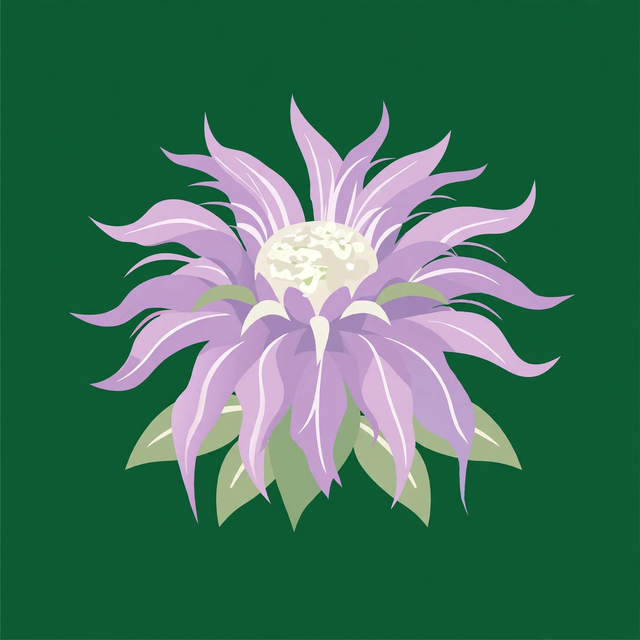
Plate No. 1
Wild bergamot (Monarda fistulosa)
Intensely aromatic foliage deer dislike. A top tier pollinator plant, and hummingbirds work it all summer.
Northeast Native Garden / The free list
The free list, from Northeast Native Garden
12 Northeast natives deer rarely touch, plus a 20 minute fall sowing starter for beds under pressure. A free list from Northeast Native Garden.
Every plant on this list carries an R rating from our Deer-Proof Garden Playbook: rarely browsed. Deer skip these plants for a reason. Some have aromatic foliage, like the mints. Some carry bitter or toxic compounds deer learn to avoid, like the milkweeds. Some are simply tough and fibrous, like the grasses, sedges, and ferns.
Ratings load the dice. They do not promise immunity. In a hard February a hungry deer will sample almost anything, so protect every new plant its first year and expect R plants to hold up after that. Written for Northeast beds, including the fertile loam we garden in.
Plate No. 1
Intensely aromatic foliage deer dislike. A top tier pollinator plant, and hummingbirds work it all summer.
Plate No. 2
Mint oils in the leaves. Arguably the best pollinator plant in the Northeast. Give it room, a happy patch spreads.
Plate No. 3
Milky sap with cardiac glycosides, and a monarch host plant. Needs soil that drains.
Plate No. 4
The same protective sap as butterfly weed, in the milkweed that takes wet ground.
Plate No. 5
Bitter foliage deer pass by. White spring flowers, tidy clumps.
Plate No. 6
Alkaloid rich foliage. It grows a deep taproot, so pick its spot once and do not move it.
Plate No. 7
A fibrous warm season grass, and deer are browsers, not grazers. Copper fall color and winter structure.
Plate No. 8
Big and tough. The straight species is tall, so it belongs at the back of the border.
Plate No. 9
The dry shade groundcover. Plant plugs about 8 inches apart and let it knit into a green carpet.
Plate No. 10
Evergreen, leathery, and tolerant of dry shade. One of the hardest working shade plants we know.
Plate No. 11
Toxic red sap deer avoid. Gorgeous April flowers. Foliage lasts into summer in moist soil, then goes dormant.
Plate No. 12
Rarely browsed. It spreads by runners into a weed proof shade carpet, with spring flowers on top.
Several plants on this list need cold before their seed will sprout. Milkweed is the classic case: the seed wants about 60 days of cold and damp, the same winter it would get outdoors. Fall sowing hands that job to the season.
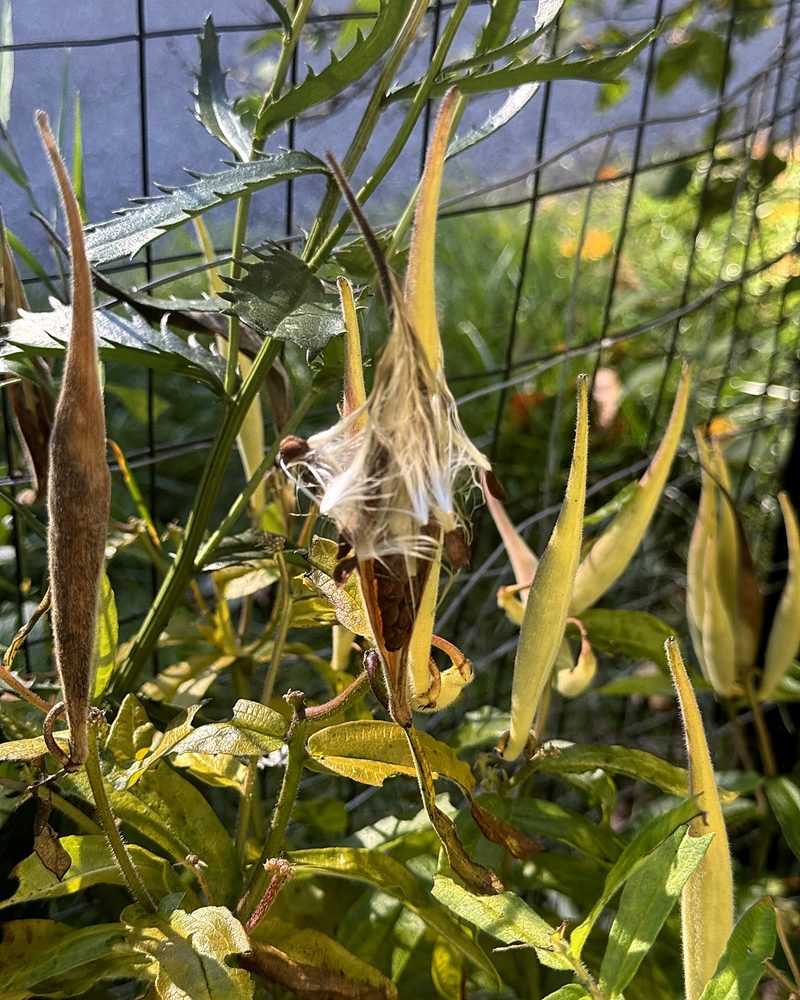
Milkweed and Pennsylvania sedge already grow in our beds, so this is the routine we use here, not a theory.
The full Deer-Proof Garden Playbook ($9) rates 36 Northeast natives and covers fencing and repellents that actually work.
The Northeast Native Garden Guide ($19) is the complete planting guide.
Planning a bed? Native Plant Picker is our free app for matching Northeast natives to your sun, soil, and space.
Plant ratings are researched ratings from the Playbook, presented as ratings. They describe what deer usually do, not a guarantee for any single garden.
Sometimes. These ratings load the dice, but they do not promise immunity. In a hard February a hungry deer will sample almost anything. Protect every new plant its first year, and expect rarely browsed plants to hold up after that.
Three reasons cover most of the list. Some plants carry aromatic foliage deer dislike, like the mints. Some hold bitter or toxic compounds deer learn to avoid, like the milkweeds. Some are simply tough and fibrous, like the grasses, sedges, and ferns.
Several plants on this list need cold before their seed will sprout. Milkweed is the classic case: the seed wants about 60 days of cold and damp, the same winter it would get outdoors. Fall sowing hands that job to the season.
Pennsylvania sedge, Christmas fern, bloodroot, and foamflower all take part to full shade. Mountain mint and foxglove beardtongue also handle part shade.